Do You Need a Bone Graft Before Dental Implants? What Moreno Valley Patients Should Know
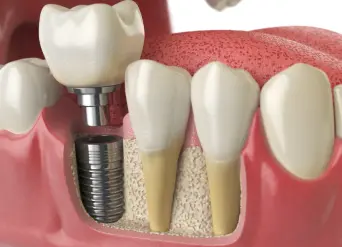
If you are exploring dental implants in Moreno Valley, one of the most common surprises is hearing that you may need a bone graft first. It can feel like an extra step, but in many cases it is recommended for a simple reason: an implant needs a solid foundation of healthy bone to stay stable and to support the final tooth replacement.
TL;DR - When Bone Grafting Helps Implant Success
A bone graft is not automatically part of implant treatment. It is recommended when your jawbone needs more volume to hold an implant safely and predictably.
- You may need a graft if the ridge is too thin or short where the implant should go.
- Bone loss is common after a tooth has been missing, especially over time.
- Imaging and an exam help determine if grafting is necessary for your plan.
- The goal is stability so your implant can support a functional, cleanable crown.
- Good planning can reduce complications and protect long-term results.
In our previous blog, "What to Expect After Dental Implants in Moreno Valley", we discussed what healing can look like after implant surgery. In this article, we focus on the decision point that often comes before implants: whether bone grafting is needed and why.
What a Bone Graft Means (In Plain Language)
A bone graft is a procedure intended to rebuild or preserve jawbone where support is missing. For implants, the goal is not to make your jaw "stronger" in a general sense, but to create enough healthy bone volume in the right place so the implant can be placed in a stable, ideal position.
Why bone support matters for implants
- Stability: implants rely on bone support to stay secure during chewing.
- Positioning: the implant should be placed where the final tooth will function and look natural.
- Long-term maintenance: healthy surrounding bone and gums help you keep the area clean.
Why People Lose Bone After a Tooth Is Missing
When a tooth is removed or lost, the jawbone in that area often changes because it is no longer stimulated by the tooth root. Over time, the ridge can shrink in height and width. This is one reason patients who have waited a while to replace a tooth sometimes need grafting as part of their implant plan.
Common situations where grafting is considered
- A tooth has been missing for an extended period
- There was an infection around the tooth before it was removed
- The bone ridge is naturally narrow in the area
- Previous dental work or trauma affected the bone
How We Determine If You Need a Bone Graft Before Implants
The decision is based on your specific anatomy and treatment goals, not a one-size-fits-all rule. During an implant evaluation, we look at the bone where the implant is planned, as well as gum health and how your bite functions.
If you want a big-picture overview of options and what implants can replace, our dental implants in Moreno Valley service page summarizes the purpose and benefits of implants as a tooth replacement option.
What the evaluation is trying to answer
- Is there enough bone volume? This includes both height and width where the implant will sit.
- Is the bone in the right shape for ideal placement? Sometimes the ridge exists, but it is not shaped well for stable positioning.
- What is the safest plan? Planning considers nearby anatomy and the health of the tissues.
What to Expect If Bone Grafting Is Part of Your Plan
Bone grafting can be done in different ways depending on what is needed. Your plan may involve adding bone material to rebuild a thin ridge, preserving bone after an extraction, or preparing an area for future implant placement.
Healing and aftercare basics
A key clinical observation from our team is that the smoothest graft recoveries usually happen when patients treat the first week like a protection phase: keep the area clean as directed, avoid chewing hard foods on that side, and do not "check" the site with your tongue or fingers.
For general guidance on what is normal after dental procedures and when to call, review our post-op instructions.
Questions to Ask at Your Bone Graft and Implant Consultation
Patients often feel more confident when they know exactly why a graft is being recommended and what the step accomplishes. Here are questions that can help you understand your plan.
- What problem is the graft solving? (Bone height, width, or both?)
- What happens if I skip the graft? Ask about risks to stability and implant positioning.
- What timeline should I expect? Ask how healing is monitored before moving forward.
- How will the final tooth be restored? (For example, a crown on the implant.)
If your implant plan includes a crown, our dental crowns page explains how crowns restore function and protect tooth structure, and they are also commonly used as the final restoration on top of an implant.
Does Needing a Bone Graft Mean You Are Not a Good Candidate?
Not necessarily. In many cases, bone grafting is recommended specifically to help you become a better candidate for implants. The goal is to create a healthier, more stable foundation so your implant is placed in a predictable way.
FAQs
A bone graft may be recommended when there is not enough healthy jawbone volume to support an implant securely. This can happen after a tooth has been missing for a while, after certain infections, or when anatomy leaves the ridge too thin or short for stable implant placement.
An implant consultation typically includes a clinical exam and diagnostic imaging to evaluate bone height, width, and quality, along with the location of nearby anatomical structures. The goal is to plan an implant that is stable and positioned for a healthy, cleanable restoration.
Many patients can, but it depends on your current bone support and the planned implant position. If the bone is adequate for stability and long-term support, a graft may not be necessary. If not, grafting can be a step that makes implants possible and more predictable.
Healing time varies by the type and size of the graft and your individual healing response. Some grafts require a healing period before implant placement. Your dentist will give you a timeline based on your specific plan and follow-up evaluations.
Helpful questions include: Why is a graft recommended in my case? What type of graft is being considered? What is the expected healing timeline? What can I do to support healing? What are the alternatives if I choose not to graft? What follow-up schedule do you recommend?
Related Reading
- Dental Implants
- What to Expect After Dental Implants in Moreno Valley
- Post-Op Instructions
- Dental Crowns in Moreno Valley CA
- Our Doctor
Conclusion: A Bone Graft Can Be the Step That Makes Implants Possible
Hearing you may need a bone graft can feel like a delay, but it is often a planning decision meant to protect your outcome. If you are considering implants, a personalized evaluation is the best way to understand whether your bone support is already adequate or whether grafting could improve stability and long-term predictability.
If you want to talk through your options with Dr. Ted T. Im, DDS, call Image Dentistry at 951-242-6242 to schedule a consultation.